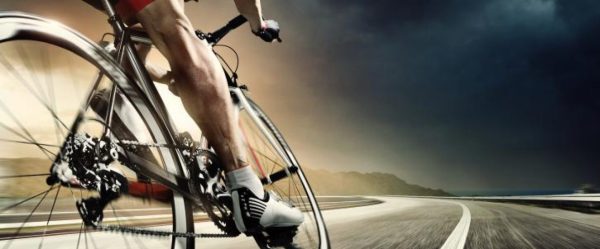
So why the title “The Paceline”….
This comes about from a recent experience I had while participating in one of my favourite pastimes. Cycling.
For a few years now, I have been increasingly getting into cycling. Initially it just started as a more effective way to get to work. It meant that instead of sitting on a train contracting cold and flu from complete strangers I was able to utilise that hour to get some exercise. In the end it turned out it was quicker for me to ride to and from work on my bicycle that it is to drive or catch the train.
As I rode more and more I decided I needed to upgrade my bike. I ended up on a very light (less weight = easier/faster ride) second hand road bike. Things were getting serious. I started actively looking for opportunities to ride in my spare time and got to know a few people in the cycling community.
Early in 2018 I created a Facebook group called “Cycling Dads Oz” (Oz as in Australia). The focus of the group was for dads to support each other in their joy of cycling as well as being awesome dads. For those that don’t know this can be a tricky balance, disappearing for 4 hours on Sunday morning for a group ride is not always compatible with raising a young family.
The group has grown to over 800 members and it gave me an opportunity to do something I was keen to partake in but was nervous. A Group Ride.
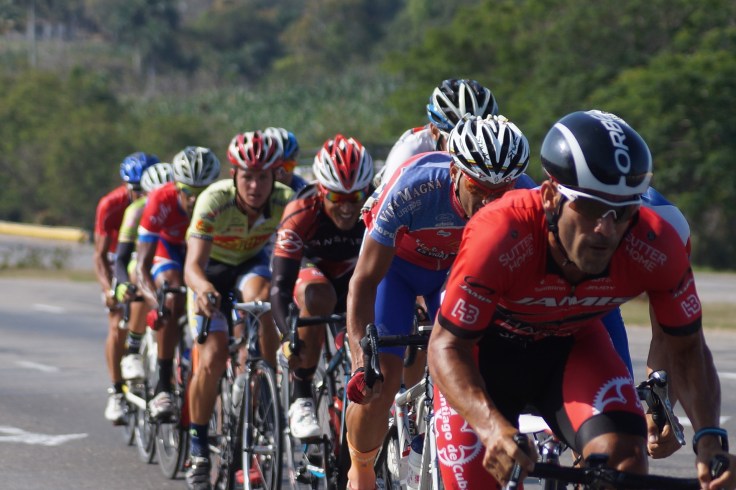
So during Easter 2018 I was visiting my parents up in a rural city called Mildura and the guys at the local cycling club, via the Facebook group, invited me a long for a group ride. I was massively excited, but I was also really nervous. These rides move fast and to the outsider can look quite intimidating. I had seen these training groups go whizzing past me at what seemed like a million miles an hour when I was riding solo through one of Melbourne’s more popular cycling routes (Yarra Boulevard).
I was determined to make the ride a success, what was the worst that could happen? As I was riding in to meet the other riders at 5am that morning I was quietly hoping my phone would ring and they would cancel the ride. I arrived to find the guys ready to go, no cancelation today. As we set out one of the riders in the group gave me some tips, and told me that given this was a training ride we would be riding a simple paceline. A single line of riders, doing 30-34kmh with only maybe 15cm between your front wheel and the next rider rear wheel. Not much margin for error. No pressure right?
Turns out this was one of the best experiences I have ever had. It wasn’t until a little later I started to reflect on the experience and how technology and humans working together can do amazing and supportive things.
The concept of a paceline is that you all ride in each other’s slip stream. This can save the riders in the line up to 30% in effort compared to riding individualy. The line moves along with the front rider doing more than their fair share of the work, but to share the load the riders all rotate and have their turn at the front. With a simple flick of the elbow the rider up front signals they are spent and makes their way back down the line and pulls in at the back. The new front rider, refreshed from having ridden in the slipstream puts in that saved up effort for the good of the rest of the group. They need to put in more effort than everybody else while they are up front, but are also responsible for making sure the pace is consistent, not to mention navigating and looking out for hazards. Its not just effort, it requires full concentration.
The thing that stuck me about this style of riding was the group working towards a common goal. Overall nobody puts in more effort than anybody else, all riders have a turn at the front. But if one rider is finding the ride to be a struggle they will keep their turn short. They know if they are tired they will slow the ride down, and the others are accepting of that fact that you are not going to be fresh and strong every single ride. On the flipside, other riders that are feeling strong will spend longer at the front of the line, pulling the rest of the group along.
The long line of riders snakes its way along the country back roads, if there is wind, the line automatically positions themselves so that they are providing the rider behind then some shelter from the wind. If there is gravel or a pothole on the road or some other hazard riders will use hand signals to let the rest of the group know. It is the responsibility of every rider to let the person know what is happening ahead. If there is a car coming from behind the riders at the back will yell “car back” so that the riders in front know there is a vehicle approaching. Similarly, the riders at front will warn others with “car up”. When approaching a give-way intersection, riders at the front will let the others know if the intersection is “clear” and safe to ride through, or if they are “stopping”. If a rider gets a flat tyre, another rider will stay behind while they make repairs and then shortcut back to the group. Nobody wants to hold the whole group back, but the group doesn’t leave anybody behind. Nobody is “in charge”, the group works together, mostly seamlessly to give a safe and enjoyable ride to all
While nobody is in charge there are leaders. Leaders don’t necessarily have the most expensive bike with the latest and greatest kit and technology. Leaders have more experience, they have been in the club longer, they know the roads and usually have superior riding skills. But they use this to help the group. If the pace is too fast they will sprint ahead and tell the rider in the lead to back off the pace a little. If somebody is riding in a way that is unsafe, they will point it out and encourage that person to drop back or give them instruction. They keep the pace moving and encourage the group to stick at it when the ride turns into a massive headwind and everybody is feeling tired and exhausted. The leader doesn’t necessarily spend more time at the front of the line or constantly bark orders. They use their knowledge and skills to guide the group. And sometimes its hard to tell exactly who the leader is. While some are focusing on the effort and safety, others are guiding and mentoring new and inexperienced riders. It’s not unusual to have 2-3 people playing leadership roles.
The other thing that surprised me about the group was how welcoming they were. At times cycling groups like this can seem standoffish and closed. I was quickly set at ease when I was accepted so quickly. I immediately became part of the ride, and was able to spend time at the front, pulling others along as well as receiving the benefit of being in the slipstream.

So how does this relate to technology. Cyclist love tech! Bikes built from the latest and greatest carbon fibre materials, computer the size of a matchbox measuring speed and GPS location, cadence sensors, speed sensors, power meters, heart rate monitors, smart lights, lights with cameras built in, helmets with cameras , interactive indoor trainers (so you can ride against people all over the world), wireless gear shifting (no more cables!) and believe it or not radar systems that can be coupled with a heads up display to give riders warning of approaching vehicles. All of these technologies help a rider hold their speed steady, make sure they are getting a good workout and keeping them safe. We can analyse the data after our ride and see how we are tracking, and where we can improve. While you can certainly have a paceline without the technology, it augments the experience and provides valuable insights into the ride.
The paceline is a great example of how a group of people with different abilities and experience and technology can work together to achieve a common goal.
This blog will focus on exactly that… “The Paceline”. Technology and people. At their best.
- Cycling Dads Oz Facebook Group
- Mildura, Victoria, Australia
- Mildura-Coomealla Cycling Club
- Pacelines Explained
- Latest bike technology
- My first paceline ride
Arthur: Ben Stewart is a cyclist, dad and technologist. Read more about him here, contact him here.
 The Paceline